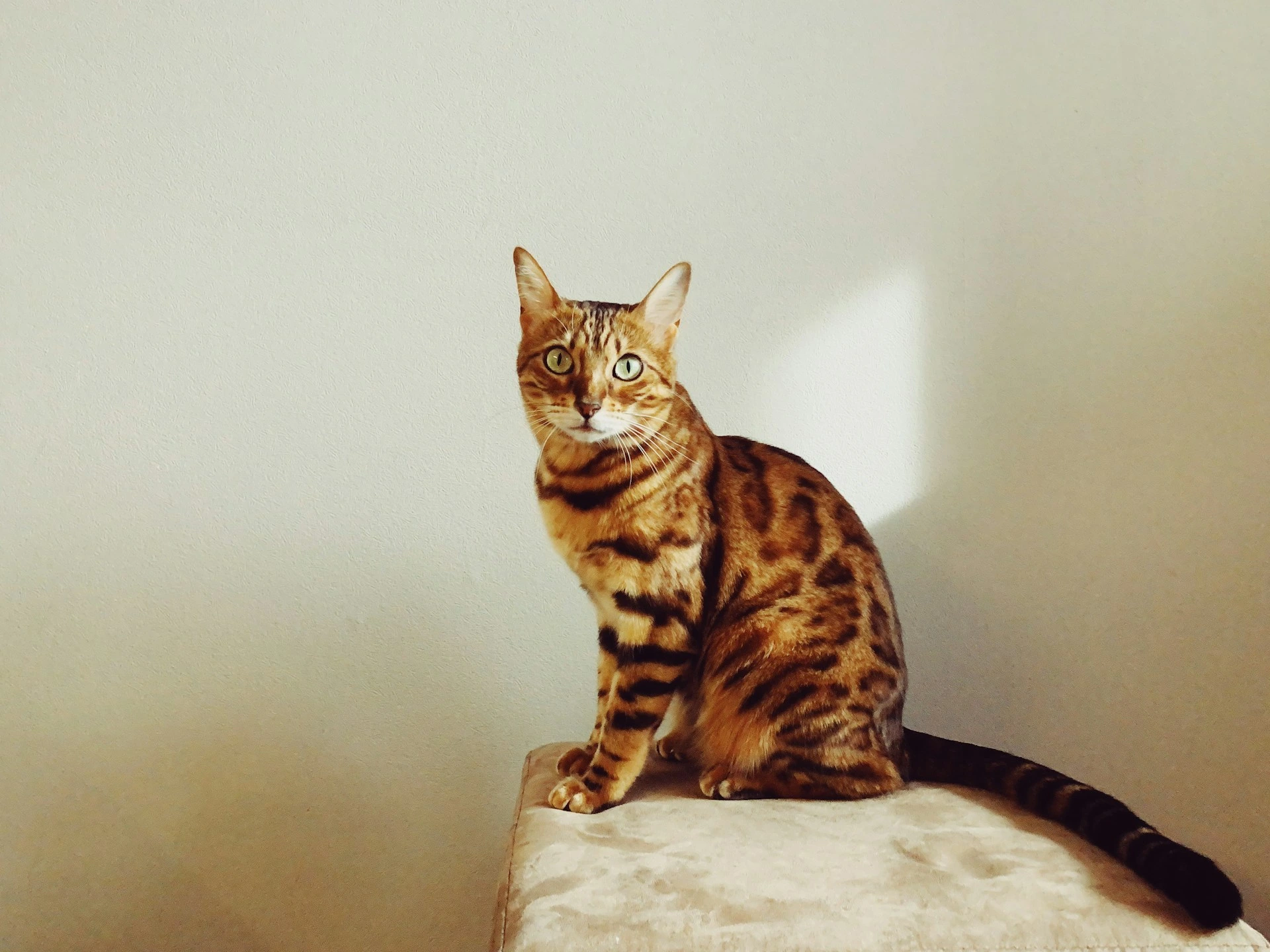
Are you getting your furry pal fixed soon? Planning for your dog or cat’s spay or neuter surgery can feel overwhelming, especially if it’s your first time. At Fort Payne Animal Hospital, your Fort Payne, AL pet clinic, we are here to guide you through every step. Understanding what happens before, during, and after the procedure is important for keeping your furry friend safe and comfortable and for making sure they are well cared for. Following these tips will help you prepare both emotionally and practically for your pet’s procedure.
Spay and neuter surgeries are among the most common procedures we perform here at the clinic. Still, it’s completely normal to feel a bit anxious about things like anesthesia and recovery. Understanding what happens during a dog or cat spay or neuter will help you make the best choices for your furry buddy—and help them bounce back quickly, too.
Why Spay and Neuter Surgery Matters
Spaying (for girls) and neutering (for boys) offer lots of long-term benefits for our furry friends. Not only do these surgeries help prevent surprise litters, but they also lower the risk of certain cancers and health issues. Plus, you may notice your pet is less likely to roam, mark, or act out. Scheduling a spay or neuter is a great way to help your pet live their best—and healthiest—life, while also doing your part for the community.
Preparing Your Pet for Surgery
Getting ready for surgery starts right at home. Here are a few things our vets suggest:
- Schedule a pre-surgery checkup: This ensures your pet is healthy and a good candidate for anesthesia.
- Follow fasting instructions: Most pets should avoid food for 8–12 hours before surgery to reduce the risk of complications. Water is usually allowed, but check with your veterinarian.
- Prepare a comfortable recovery space: Have a quiet, warm area ready for your pet to rest after surgery, with easy access to water and a soft bed.
- Gather necessary supplies: Include an Elizabethan collar (cone), any medications, and absorbent pads if needed.
A little planning goes a long way in keeping both you and your furry pal calm and comfy.
What Happens During Surgery
On surgery day, your pet will get a quick checkup to ensure they’re ready to go. Once they’re sedated, our veterinary team will keep a close eye on them the whole time. During the spay/neuter procedure, the vet will carefully remove the reproductive organs and ensure everything looks good before your pet wakes up.
Anesthesia is given safely, and your pet’s vital signs are watched closely the whole time. How long surgery takes depends on your pet’s size and any special needs, but you can relax: our Fort Payne, AL vets have lots of experience with pets of all shapes and personalities.
Recovery and Post-Operative Care
After surgery, most pets are a bit sleepy and may need to hang out at the clinic for a few hours before heading home. You might notice:
- Mild lethargy or sleepiness
- Decreased appetite for 24 hours
- Sensitivity at the surgical site
- Temporary changes in behavior, such as quietness or clinginess
Be sure to follow your vet’s instructions for a smooth recovery. Check the incision every day, use the cone to stop any licking or nibbling, and keep your pet from running or jumping until your vet says it’s okay. Give any meds as directed to keep your furry friend comfy while they heal.
Signs to Watch For After Surgery
Problems are rare, but it’s good to know what to watch for:
- Swelling, redness, or discharge at the incision
- Excessive bleeding or oozing
- Vomiting, diarrhea, or loss of appetite beyond 24 hours
- Lethargy or unusual behavior that persists
If you spot any of these signs, call us right away. We’re here to help!
Benefits Beyond Health
Spay and neuter surgery isn’t just about health. Many pets become calmer, roam less, and are less likely to act out. Your dog may stop marking, and your kitty might spend more time snuggled up at home instead of plotting their next adventure. Scheduling this surgery is a great way to help your furry bestie live their happiest life.
You can read more about spaying and neutering at the American Veterinary Medical Association site here. Read more about the benefits of getting Fluffy fixed at the ASPCA website here.
FAQs About Spay and Neuter Surgery
Is anesthesia safe for my pet?
Yes, modern anesthesia is very safe. Pre-surgery exams and monitoring help reduce any risks.
How long will my pet be groggy?
Most pets recover quickly, with alertness returning within a few hours. Mild lethargy may last a day or two.
Can my pet eat after surgery?
Typically, small meals resume the evening of surgery or the next day, following your veterinarian’s instructions.
Will my pet gain weight after being spayed or neutered?
Some pets may have a slightly reduced metabolism, but maintaining a healthy diet and regular exercise prevents unwanted weight gain.
When can my pet resume normal activity?
Most pets can return to normal activity within 7–14 days, depending on the veterinarian’s assessment of incision healing.
Preparing Emotionally for Your Pet’s Surgery
It’s normal for pet owners to feel nervous. Comforting your furry friend before and after surgery with calm voices, gentle petting, and familiar items like blankets or toys can help reduce anxiety. Remaining calm yourself reassures your pet that everything is okay. We are happy to answer questions and walk you through every step.
Visit Our Fort Payne Vet Clinic
Booking a spay or neuter surgery is a big step in caring for your dog or cat. Our Fort Payne, AL vets are here to help with everything from prep to recovery. Stop by our clinic to chat about your pet’s surgery, ask questions, or set up an appointment. And if you’re looking for a ‘vet near me’, you’ve found us!
This blog is meant for informational purposes only. Always consult with your veterinarian for the right medical advice, diagnosis, or treatment plan for your pet and follow their guidance.
Do you want to learn more about our Fort Payne vet clinic? Go to our main Services page here for an overview of the services we offer. You can also learn more about our Wellness and Vaccinations options here.