Have you ever returned home to find your favorite shoes shredded or the living room pillows torn to pieces? At Fort Payne Animal Hospital, we’ve had quite a few clients concerned about their dogs chewing. Chewing is a natural activity for dogs, but understanding the reasons behind canine destructive behavior, learning strategies to stop dog chewing, and practicing effective dog chew training tips can help keep your furry pal safe and your home intact.
Dogs use their mouths to explore the world, so chewing is actually pretty important for them. Some chewing is totally normal, but if your pup is turning into a little furry tornado, there might be something else going on—like boredom, teething, or even stress. This can be dangerous, as your pet could be injured or poisoned by chewing something unsafe. Figuring out why your pooch is chewing is the first step to helping both your dog and your furniture.
Why Dogs Chew
Chewing comes naturally to dogs, but the reasons behind it can be as different as the pups themselves. Pinpointing the cause will help you get to the bottom of the problem.
Teething Puppies
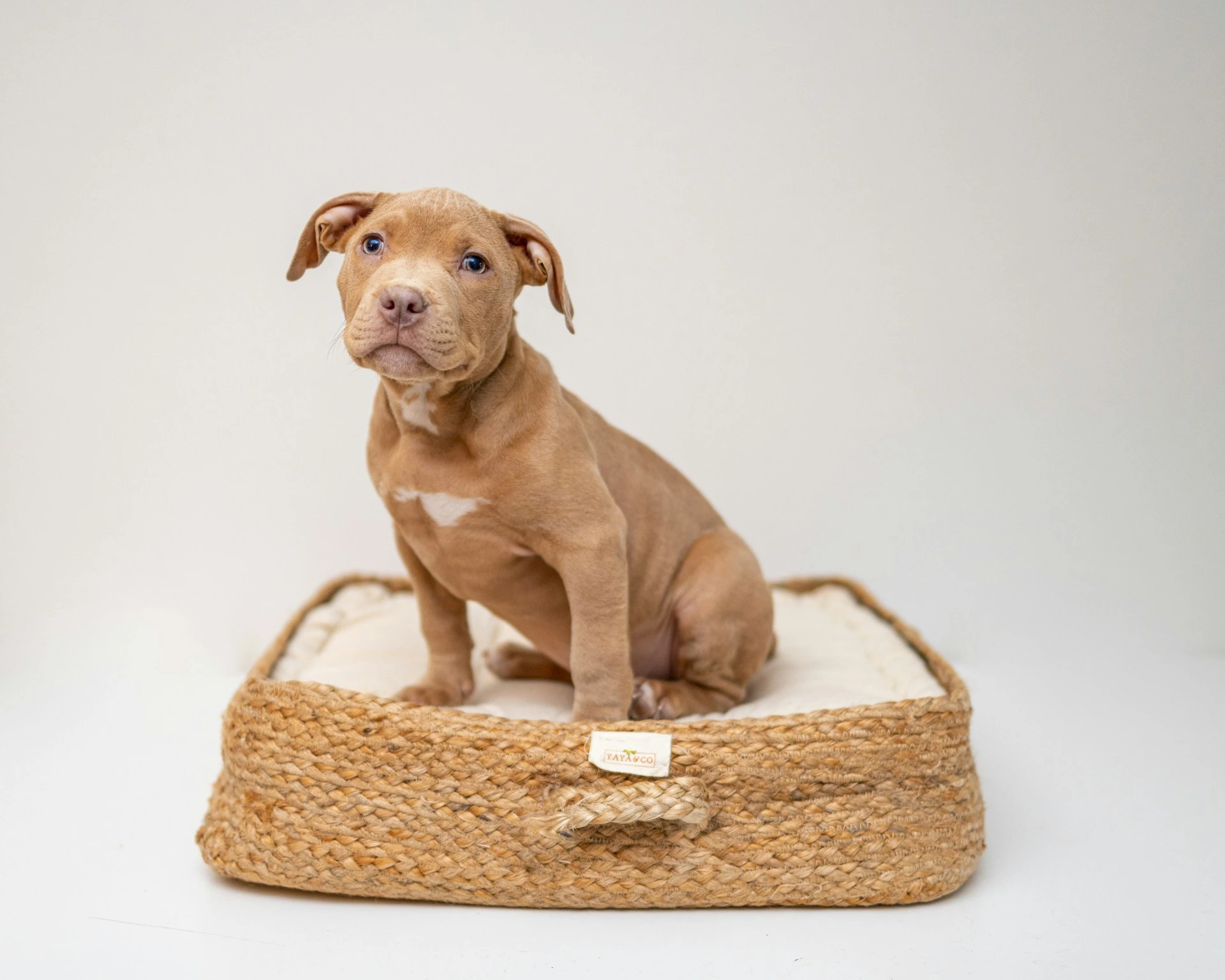
Puppies chew a lot when they’re teething, usually between three and six months old. Giving your little furball some good chew toys can help soothe those sore gums and save your shoes at the same time.
Boredom and Lack of Mental Stimulation
Dogs are smart and need things to do. If your pup is bored, he might decide your furniture or shoes look like fun toys. Try adding more playtime, walks, or puzzle toys to keep your canine companion busy and out of trouble.
Anxiety or Stress
Separation anxiety, fear, or environmental changes can trigger canine destructive behavior. Chewing releases pent-up energy and provides comfort, but can escalate if not addressed. Creating a safe space, consistent routines, and positive reinforcement training can help manage anxiety-related chewing.
Attention-Seeking Behavior
Some pups figure out that chewing gets your attention, even if it’s not the kind they want! Teaching your dog to ask for attention in better ways, like sitting or playing with their toys, can help break the habit.
Dietary Deficiencies or Medical Issues
Now and then, chewing can be a sign of a health issue or a missing nutrient. If your dog just won’t stop chewing, it’s a good idea to check in with your vet to make sure everything’s okay.
Tips to Stop Destructive Chewing
Chewing is normal, but there are plenty of ways to help your pup chew on the right things instead of your favorite shoes.
Provide Appropriate Chew Toys
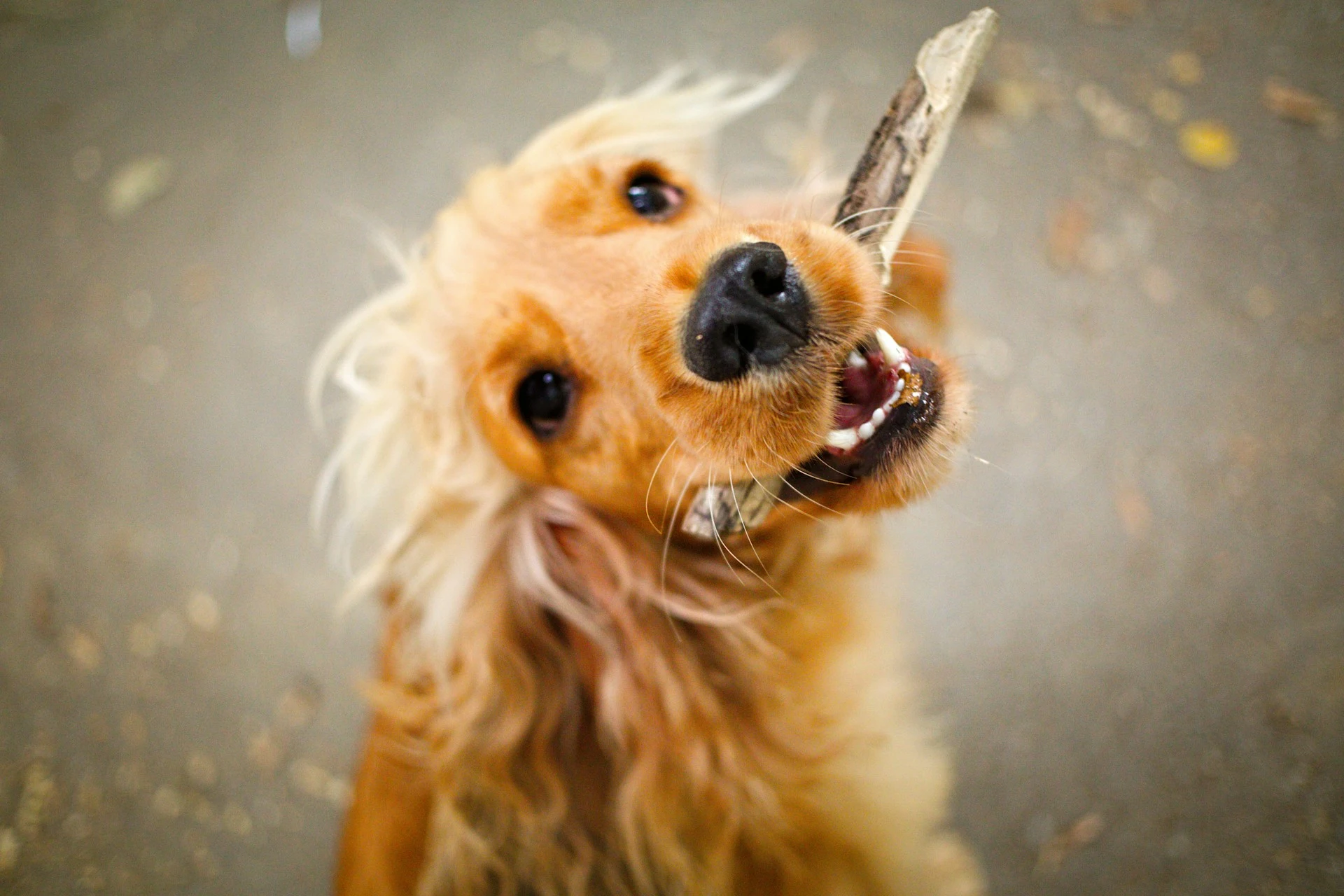
Give your dog a mix of safe chew toys that fit their size and chewing style. Switching toys out every so often keeps things interesting. For teething puppies, soft rubber or plush toys are a big help.
Use Positive Reinforcement
When Fido chews on the right things, let him know he’s doing a great job! A little praise, a treat, or some extra playtime can go a long way toward teaching good habits. Dogs are extra adorable when they’re clearly proud of themselves.
Limit Access to Valuables
Try to keep shoes, clothes, and other tempting things out of reach. Using baby gates or closing off certain rooms can help keep your pup out of mischief when you’re not around. Crates can also work, as long as they are used properly. Ask your vet for advice.
Offer Mental and Physical Stimulation
Daily walks, playtime, training, and puzzle feeders all help keep your dog’s mind and body busy. A tired, happy pup is much less likely to chew up your stuff.
Address Anxiety and Stress
If your dog chews when they’re anxious or stressed, try easing them into being alone and use lots of praise when they do well. Cozy beds, favorite toys, and comfort items can help your pup feel safe.
Train Alternative Behaviors
Teaching your dog commands like ‘leave it’ or ‘drop it’ can really help. Encouraging them to chew on their toys instead of your things sets clear rules and helps your pup learn what’s okay.
Use Deterrents Safely
Bitter sprays or other safe deterrents can make certain things less tasty to chew. Just remember to pair these with lots of praise when your dog picks the right toy, so they don’t get confused or stressed.
Supervised Exploration and Enrichment
Letting your dog explore new places (while you keep an eye on them) can help keep boredom at bay. Supervised outdoor play, a spot to dig, and fun games all help your pup use up energy and stay out of trouble indoors. Mixing things up keeps your furry friend happy and busy.
Recognizing When Chewing Is a Problem
A little chewing is normal, but if your dog is really going to town on your stuff, it might be time to take a closer look:
- Destruction of furniture, shoes, or personal items
- Excessive chewing despite ample toys and stimulation
- Signs of anxiety, stress, or fear associated with chewing
- Aggression or possessiveness over chewed objects
If you spot any of these signs, your vet can help you figure out what’s going on and offer tips to get things back on track.
Humane World has an article on dog chewing, which you can read here. The ASPCA also has a post on chewing here.
FAQs About Dog Chewing
Is chewing normal for all dogs?
Yes! Chewing is totally normal for dogs. It helps keep their minds busy, soothes teething pain, and even keeps their jaws strong.
How can I tell if chewing is anxiety-related?
Watch for clues like chewing when your dog is alone, or if they’re panting, pacing, or making a lot of noise. Chewing from anxiety usually comes with other signs of stress.
Can puppies stop chewing as they grow?
Some chewing usually slows down after teething, but your pup will still need plenty of play, training, and redirection to keep those good habits going as they grow up.
What specific toys work best?
Rubber toys, ropes, and puzzle toys are all great choices. Switching out toys and choosing ones that fit your dog’s chewing style will keep them interested.
When should I see a vet about chewing?
If your dog just won’t stop chewing, or if something seems off, your vet can help you get to the bottom of it and suggest what to do next. If your dog will chew on everything, you want to address the issue.
Remember, chewing can be dangerous. If your pet were to chew something that isn’t safe, he could choke, develop internal injuries, or even ingest something toxic.
Can training really stop destructive chewing?
Absolutely! With patience, positive training, and plenty of play, you can help your dog learn what’s okay to chew—and what’s not.
Visit Our Rainsville, AL Vet Clinic
Chewing is a natural part of being a dog, but when it becomes destructive, it can be frustrating and stressful. At Fort Payne Animal Hospital, your Rainsville, AL pet clinic, we provide guidance on dog chewing, strategies to stop it, and effective dog-chew training tips to redirect behavior safely and positively. Visit our Rainsville, AL vet clinic to schedule an appointment or search “vet near me” for expert advice on keeping your canine companion happy, engaged, and out of trouble.
This blog is for informational purposes only. Always consult your veterinarian for accurate medical advice, diagnosis, or treatment plan for your dog, and follow their guidance.
Do you want to learn more about our Fort Payne vet clinic? Go to our main Services page here for an overview of the services we offer. You can also learn more about our Wellness and Vaccinations options here.