If you’ve ever watched your feline pal suddenly pounce on a shadow, stare intently at an empty corner, or knead your favorite blanket like a tiny, meowing dough-maker, you know cats are full of surprises. At Fort Payne Animal Hospital, our Fort Payne, AL veterinarians see these adorable behaviors every day and love helping cat owners understand what their kitties are really trying to communicate. Recognizing cat behavior quirks isn’t just entertaining—it’s a window into your feline companion’s health, happiness, and personality.
Cats are naturally curious, playful, and sometimes just plain silly. While their antics often make us laugh, they can also give us important clues about how our feline friends are feeling. By paying attention to Fluffy’s funny habits, you’ll be able to keep her happy and healthy—and strengthen that special bond you share.
Kneading: Tiny Paws, Big Meaning
Those little paw presses on your lap, blanket, or even your stomach? That’s called kneading. It’s one of the most common kitty quirks, and it actually starts when cats are just tiny kittens. Babies knead their mom’s belly to help get milk, and grown-up cats often keep doing it when they’re happy, stretching, or even marking their territory with the scent glands in their paws.
For instance, Fluffy might knead your favorite pillow before settling in for a nap. Our Fort Payne, AL vets want you to know that kneading is a natural, happy habit. If those little claws get too pokey, just put a blanket or pillow between you and your furball.
Zoomies: The 3 a.m. Sprint
There’s a reason people call it the “crazy hour.” Sometimes, your kitty will suddenly race around the house, leap onto the furniture, or chase after things only she can see. These wild bursts of energy—also known as zoomies—are totally normal. Cats are most active at dawn and dusk, and zoomies help them burn off energy, stretch their muscles, and practice their hunting skills.
To make zoomies safer, encourage feline behavior tips by offering interactive toys, climbing structures, or short play sessions in controlled spaces. It’s also a chance for you to laugh, marvel, and sometimes dodge flying paws!
Staring at Nothing: The Mystery Gaze
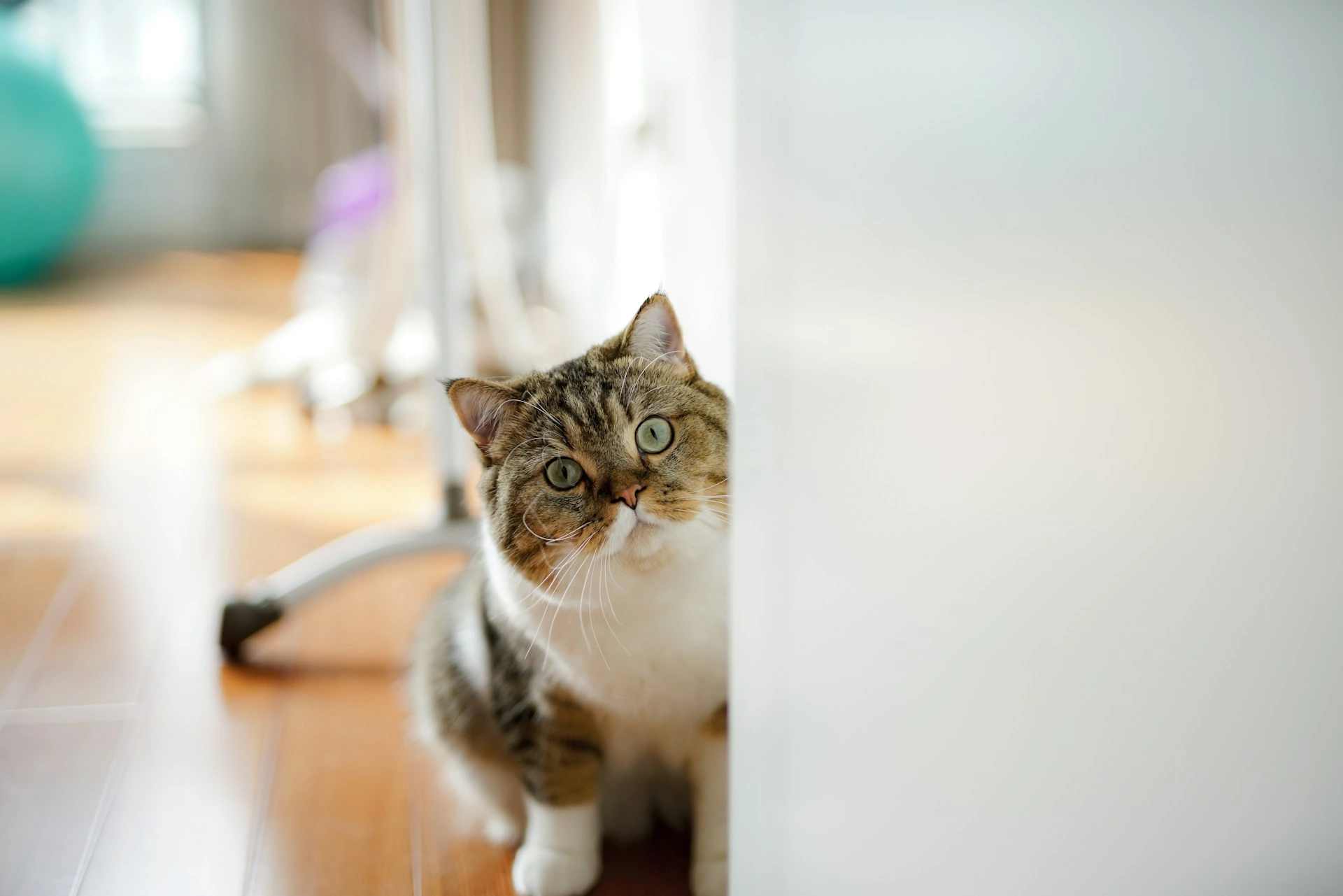
Cats are well-known for staring at walls, ceilings, or empty corners. Don’t worry—your house isn’t haunted! Kitties have super-sharp senses and can spot tiny movements, shadows, or sounds that we can’t pick up. Sometimes, your feline pal is just curious, practicing her focus, or keeping an eye out for imaginary prey.
Watching these moments can give you a glimpse into your cat’s personality and show just how alert she really is. Our Fort Payne, AL vets say this quirky habit is usually nothing to worry about—it just means your kitty is curious and mentally sharp.
Hiding: Secret Nooks and Cozy Corners
Cats love to sneak off into odd places, such as under the bed, inside a laundry basket, or behind the couch. Hiding is totally natural for kitties. It helps them feel safe, cozy, and calm. If your furball likes to vanish now and then, try giving her a few special hiding spots so she can relax whenever she needs a break.
If Fluffy disappears for a while, she probably just wants some alone time. That’s usually nothing to worry about. However, if your kitty suddenly starts hiding all the time, it’s a good idea to check in with your vet.
Chattering and Chirping at Birds
If your kitty chatters at birds or squirrels outside the window, she’s just showing off her hunting instincts. That funny chattering sound could mean she’s excited, a little frustrated, or even pretending to catch her prey. It’s a normal, playful quirk that shows your cat’s strong prey drive.
You can help your feline friend safely act out her hunting skills by offering interactive toys that mimic prey. That way, she gets to have fun and stay safe at the same time.
Head-Butting and Bunting: Affection in Action
When your cat bumps her head against you, the couch, or even the wall, she’s showing affection and trust—and also marking her territory with the scent glands on her face. If Fluffy gives you a head-butt, take it as a compliment! A little extra love and attention will make her feel even more secure.
Scratching: More Than Furniture Damage
Scratching is essential for nail maintenance, stretching, and territory marking. Providing scratching posts, pads, or ramps helps redirect behavior from furniture to acceptable surfaces. Observing whether your cat prefers vertical or horizontal scratching helps guide placement and creates harmony in your home.
Scratching isn’t just good for your cat’s body; it keeps her mind busy, too.
Nighttime Antics: Twilight Adventures
Cats are naturally more active at dusk and dawn, so don’t be surprised if your kitty gets the urge to play or prowl at night. Try giving her a play session with toys or an interactive feeder in the evening to help her burn off energy and settle down for the night.
Grooming Quirks: Licking, Over-Grooming, and Odd Spots
Cats spend hours grooming themselves, keeping fur clean and skin healthy. Sometimes, they lick excessively or focus on unusual areas. While often normal, overgrooming or bald patches can indicate stress, allergies, or skin conditions. Monitoring your cat’s grooming habits and consulting your vet helps keep your feline pal comfortable and healthy.
Paw Preferences and “Handedness”
Just like people, cats can be left-pawed, right-pawed, or even ambidextrous. Watch your kitty when she’s reaching for toys or stepping over things—you might spot her favorite paw in action! It’s a cute quirk that can also tell you a little about her personality.
Cat Communication Through Meows and Purrs
Cats use a variety of vocalizations to communicate with humans. Some meows are short and inquisitive; others are drawn-out demands for attention. Purring can indicate contentment, but it can also indicate mild stress or pain. Understanding your cat’s vocal language strengthens your bond and helps you respond appropriately.
Environmental Enrichment for Quirky Cats
Keeping your kitty busy with fun and healthy activities helps prevent stress and boredom. Here are a few ideas:
- Rotate toys to maintain interest
- Provide perches or window seats for bird watching
- Introduce puzzle feeders for mental stimulation
- Create safe vertical spaces for climbing
- Offer interactive games that simulate hunting
These simple tricks help your cat stay happy and out of trouble by letting her act on her instincts.
PetMD tackled Fluffy’s habit of smacking things off counters and tables here. Feliway also has a cute piece on this, which you can read here, from the cat’s point of view.
FAQs About Cat Quirks
Why does my cat knead everything?
It’s a sign of comfort and affection, originating from kittenhood.
Is zooming around the house normal?
Yes! Zoomies are instinctual bursts of energy common in healthy cats.
Why does my cat stare at walls or corners?
Cats notice subtle movements or sounds humans can’t detect. It’s usually harmless curiosity.
Should I be concerned about head-butting?
No, it’s a positive social behavior that shows trust and marks territory with scent glands.
What’s with chattering at birds?
It’s instinctual hunting excitement and can be redirected through interactive play.
Visit Our Fort Payne Vet Clinic
Your cat’s quirky behaviors are part of their charm and individuality, but understanding them can help you provide a safer, happier environment. At Fort Payne Animal Hospital, we provide guidance on cat behavior quirks, funny cat habits, and feline behavior tips to ensure your kitty thrives. Visit our Fort Payne vet clinic to discuss behavior concerns, enrichment strategies, or general wellness care. You can also search “vet near me” to schedule an appointment quickly.
This blog is meant for informational purposes only. Always consult with your veterinarian for the right medical advice, diagnosis, or treatment plan for your pet and follow their guidance.
Do you want to learn more about our Fort Payne vet clinic? Go to our main Services page here for an overview of the services we offer. You can also learn more about our Wellness and Vaccinations options here.