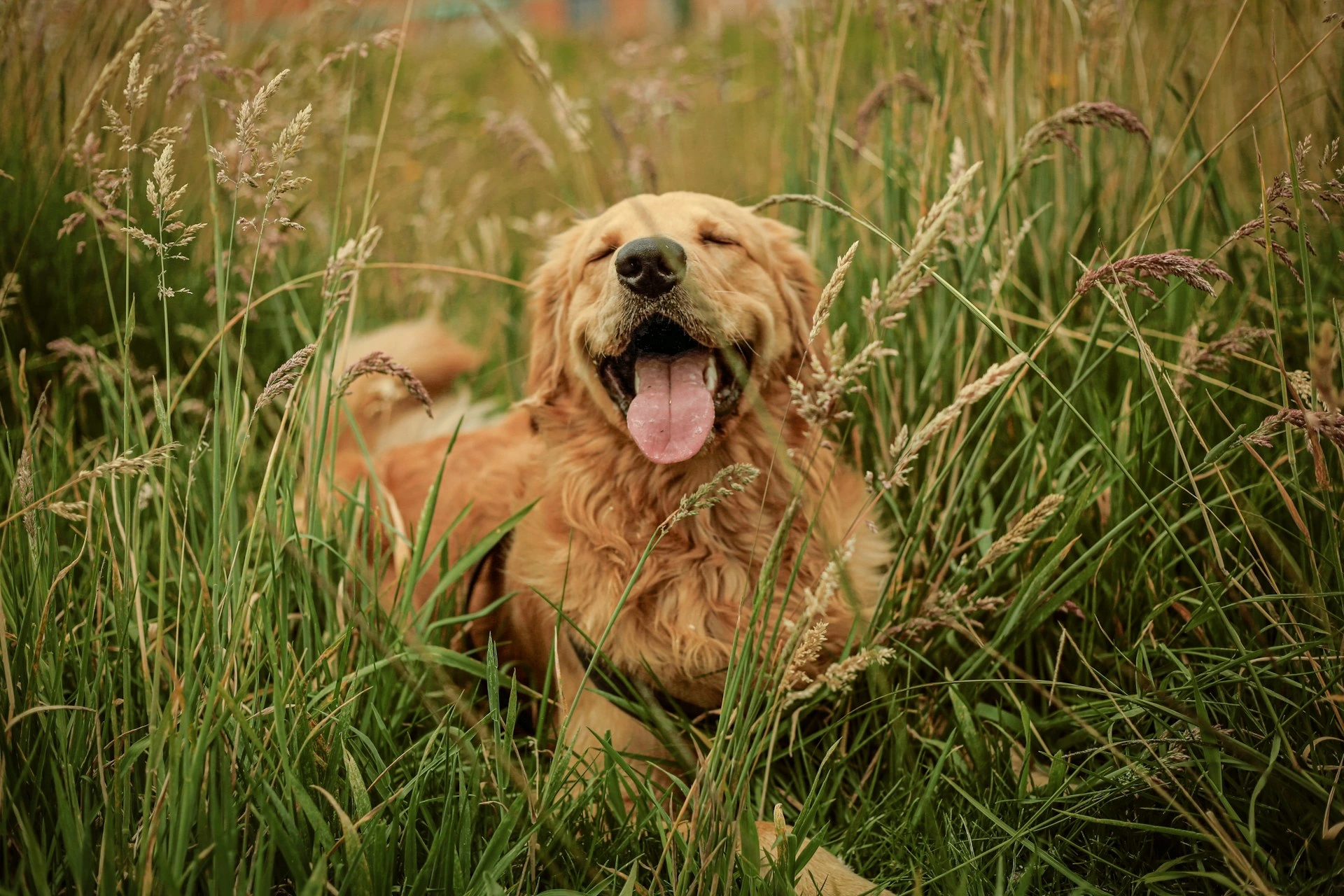
Bringing a new puppy into your life is exciting, but it also comes with responsibilities. At Fort Payne Animal Hospital, your Rainsville, AL pet clinic, we often advise new pet owners on puppy-proofing and preparing their homes to create a safe, comfortable environment for their furry friends. Understanding puppy safety tips, practicing consistent new-puppy home preparation, and planning can help prevent accidents and help your four-legged buddy settle in happily.
Puppies are basically tiny, furry bundles of curiosity, and they love to explore the world with their mouths and paws. That curiosity is super cute, but it can also get them into trouble if your home isn’t ready for it. A little bit of planning now can help keep your new puppy safe—and save your shoes, too!
1. Remove or Secure Hazardous Items
Before you bring your puppy home, take a little tour of your place and look for anything that could be dangerous. Electrical cords, small things that could be swallowed, and toxic plants are all on the naughty list. Be sure to stash cleaning supplies, chemicals, and medications where little paws can’t reach. This will help keep your puppy safe and sound.
2. Set Up a Safe Space
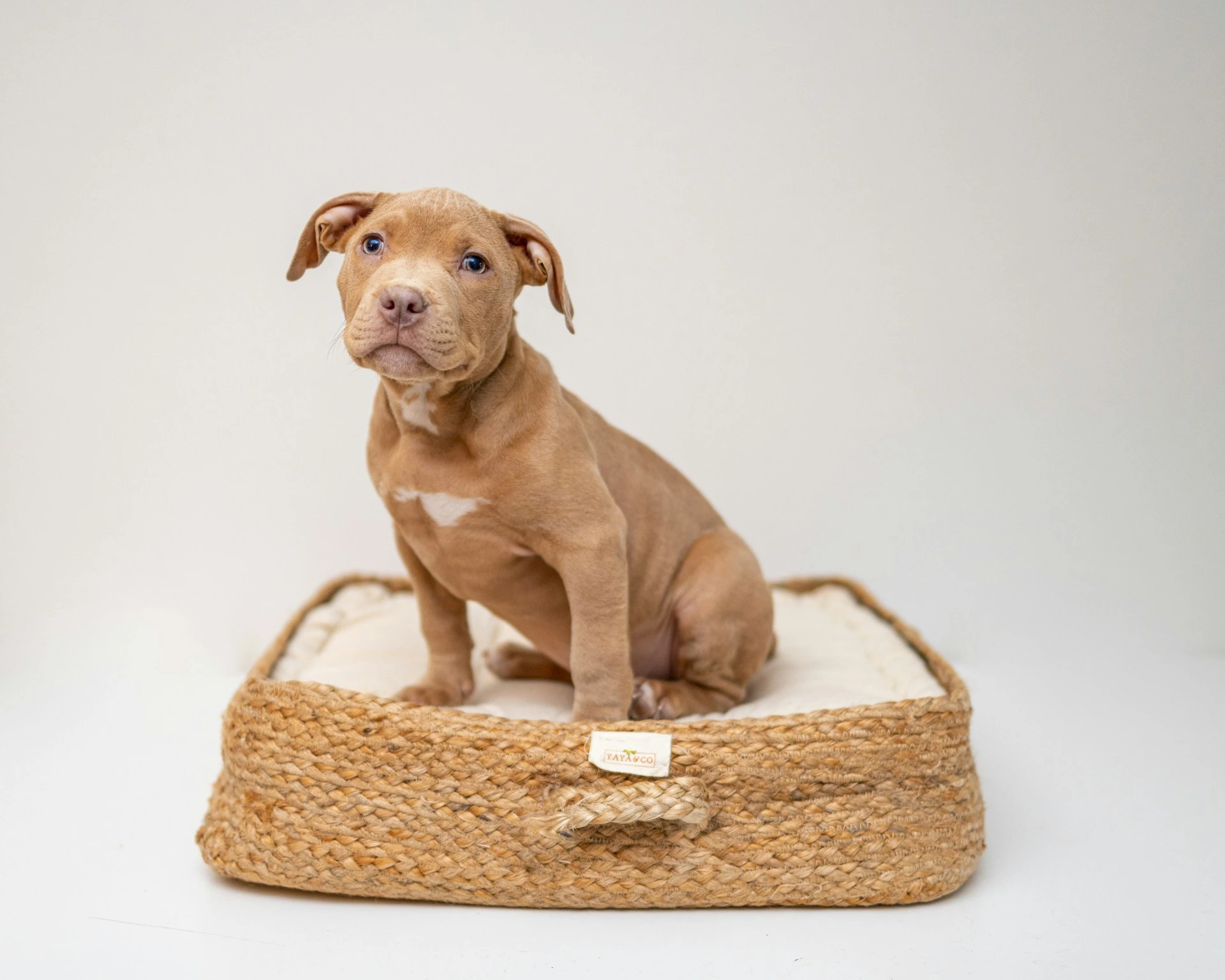
Set up a special spot just for your puppy, like a crate or playpen. This gives your little buddy a safe place to nap, eat, and play, and keeps them out of trouble when you can’t watch every move. Add a comfy bed, some water, and a few safe toys to make it extra cozy.
3. Use Baby Gates and Barriers
Baby gates or pet barriers are great for keeping your puppy out of rooms that aren’t puppy-proofed yet. This helps prevent chewed-up furniture, cords, or other things you’d rather not have as chew toys. As your puppy learns the rules, you can slowly let them explore more of the house.
4. Remove Tempting Chewables
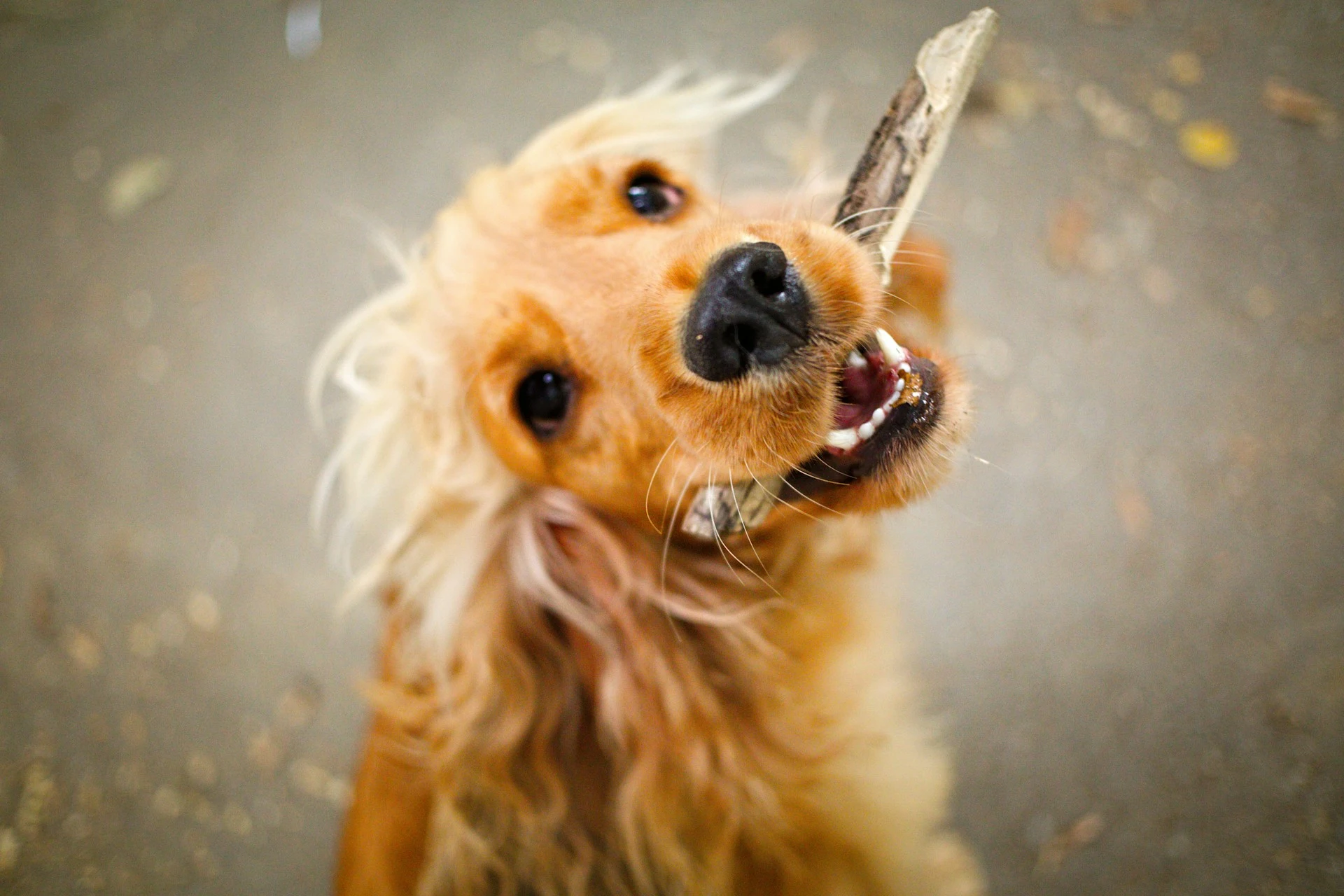
Puppies love to chew on just about everything, so be sure to put away shoes, clothes, and anything else you don’t want to become a puppy snack. Give your little one lots of safe chew toys, and switch them out now and then to keep things interesting. This will help teach your puppy what is and isn’t okay to chew.
5. Secure Trash and Food
Puppies are pretty sneaky when it comes to food, and they might try to raid the trash or jump up on counters. Use trash cans with tight lids and keep food out of reach of curious noses. This helps keep your puppy safe and encourages good eating habits.
6. Check Flooring and Surfaces
Slippery floors can be tough on little paws, and sharp objects are a definite no-no. Try adding some rugs or mats to help your puppy get a grip and avoid any slips. Take a quick look around for nails, screws, or anything else that could hurt those tiny feet, and clear them out before your puppy comes home.
7. Introduce Electrical Safety
Cords and outlets can be dangerous for curious puppies. Hide cords behind furniture, use cord protectors, or cover outlets with safety plugs. This protects your puppy from hazards associated with chewing and reduces the risk of electrical accidents.
8. Plan for Supervised Exploration and Play
Keep a close eye on your puppy during those first few weeks at home. Supervised playtime with safe toys is a great way to help your puppy learn the ropes and bond with you. Plus, you’ll be able to gently correct any mischief before it becomes a habit.
Additional Puppy-Proofing Tips
- Rotate toys to prevent boredom and redirect chewing
- Use non-toxic cleaning products for areas your puppy frequents
- Puppy-proof outdoor areas, including fencing, to prevent escape
- Introduce family members and pets gradually to reduce stress
By following these steps, you set the foundation for a safe, happy, and well-adjusted puppy. Proper new puppy home preparation reduces accidents, encourages good habits, and fosters a positive start to your life together.
You’ll find great advice on puppyproofing on the AKC website. Read more petproofing tips at the American Humane Society website here.
FAQs About Puppy-Proofing Your Home
How soon should I start puppy-proofing before bringing a new puppy home?
Start at least a week in advance to allow thorough inspection and adjustments.
Do all puppies need a crate?
Not all, but crates provide a safe space and aid in house training.
Can puppy-proofing prevent chewing problems?
Yes. Removing temptations and providing appropriate chew toys helps redirect natural chewing behavior.
What should I do if I miss something and my puppy gets into trouble?
Supervise closely, remove hazards immediately, and consult your Rainsville, AL veterinarians for guidance.
Is outdoor puppy-proofing important?
Absolutely. Secure fencing, remove toxic plants, and supervise exploration to prevent accidents and escapes.
Visit Our Rainsville, AL Vet Clinic
Preparing your home for a new puppy is an important step in ensuring their safety and happiness. At Fort Payne Animal Hospital, your Rainsville, AL pet clinic, we provide expert guidance on puppy-proofing, sharing practical puppy safety tips, and home-preparation strategies. Visit our Rainsville vet clinic to schedule an appointment or search “vet near me” for advice on welcoming your new furry friend safely.
This blog is for informational purposes only. Always consult your veterinarian for accurate medical advice, diagnosis, or treatment plan for your puppy, and follow their guidance.
Do you want to learn more about our Fort Payne vet clinic? Go to our main Services page here for an overview of the services we offer. You can also learn more about our Wellness and Vaccinations options here.