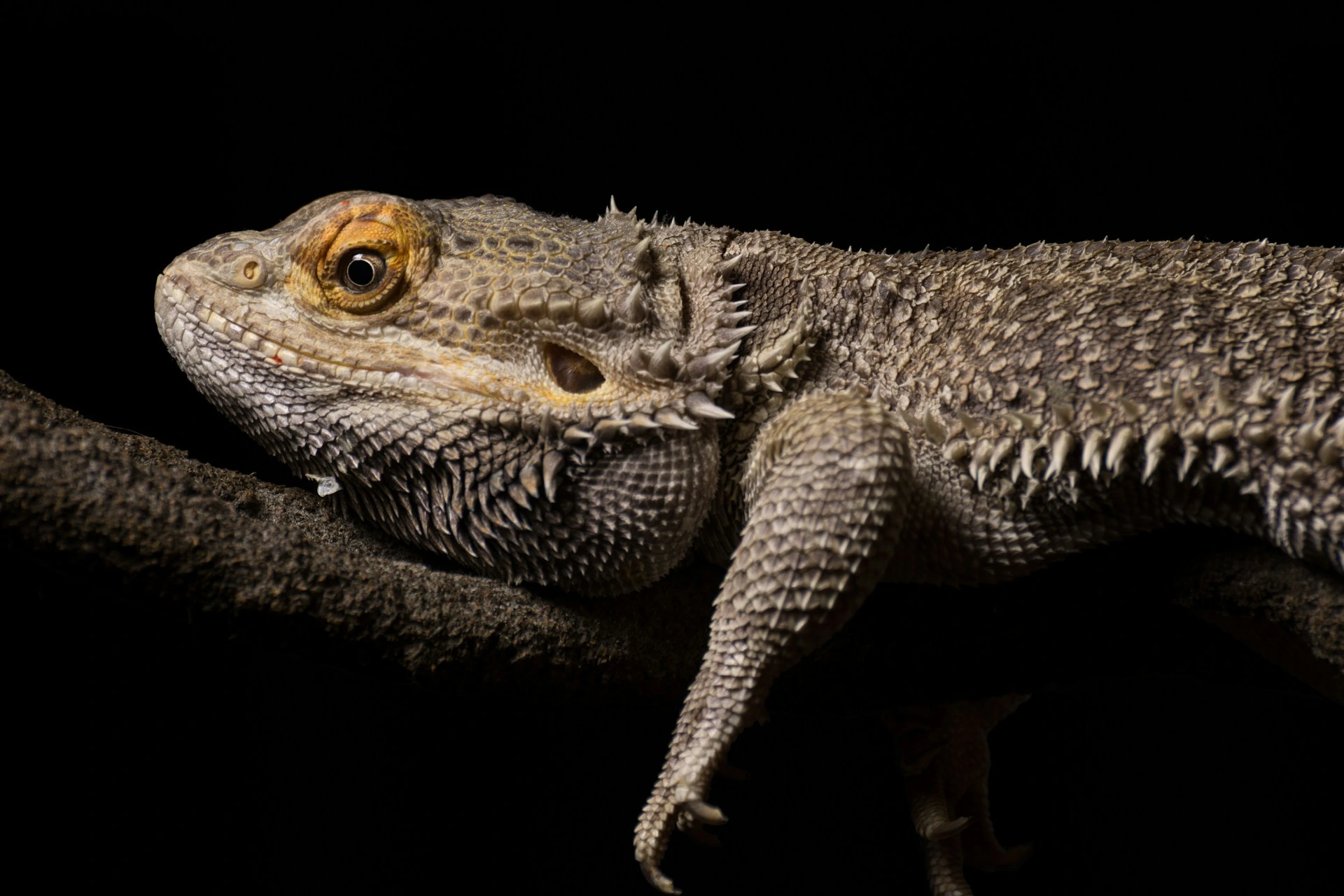
Bearded dragons are popular reptilian companions thanks to their calm demeanor and engaging personalities. At Fort Payne Animal Hospital, your Rainsville, AL pet clinic, we are happy to advise owners on bearded dragon health and how to maintain a thriving, happy reptilian friend. Understanding common bearded dragon illnesses, following practical reptile health tips, and practicing consistent care are essential for preventing serious medical problems and ensuring your scaled pal lives a long, active life.
Bearded dragons are pretty tough, but they can still run into trouble if their diet or habitat isn’t quite right. Keeping an eye out for early signs of illness and making sure your pet gets regular checkups will go a long way towards keeping your dragon in tip-top shape.
Common Health Problems in Bearded Dragons
Like any pet, beardies can develop a few common health issues. Knowing what to watch for can help you catch problems early and keep your little dinosaur feeling their best.
Metabolic Bone Disease (MBD)
Metabolic Bone Disease, or MBD, is a serious but preventable issue that often pops up when beardies don’t get enough calcium or the right kind of lighting. Here are some signs to look for:
- Weak or deformed limbs
- Soft jaw or spine
- Difficulty moving or climbing
- Lethargy
You can help prevent MBD by making sure your dragon gets plenty of calcium and has good UVB lighting. Ask your vet for specific advice.
Respiratory Infections
Beardies can also get respiratory infections, especially if their tank is too damp, too chilly, or lacks sufficient airflow. Watch for these signs:
- Wheezing or labored breathing
- Excess mucus around the nostrils or mouth
- Lethargy and loss of appetite
If you notice any of these symptoms, call your vet right away.
Parasites
Bearded dragons can pick up both internal and external parasites. Here’s what to keep an eye out for:
- Diarrhea or soft stools
- Weight loss
- Visible mites or skin irritation
Regular vet checks and keeping your dragon’s home clean can help keep these pesky bugs at bay.
Impaction
Impaction happens when your dragon swallows something they can’t digest, like loose substrate or food that’s too big. Signs to watch for include:
- Swelling or bloating of the abdomen
- Constipation or straining
- Lack of appetite
Using safe substrates and monitoring feeding habits are key bearded dragon care practices. Do plenty of research and follow your vet’s recommendations.
Mouth Rot (Infectious Stomatitis)
Mouth rot is a bacterial infection that affects the mouth and gums. Here are some things to look for:
- Swollen or reddened gums
- Excess saliva or discharge
- Loss of appetite or reluctance to eat
If you spot any of these signs, reach out to your vet as soon as possible.
Shedding Problems
If the humidity isn’t quite right, or if your dragon isn’t feeling well, they might have trouble shedding. This can cause old skin to get stuck, especially around the toes, tail, or eyes. Watch for these signs:
- Dull or patchy skin
- Difficulty removing shed naturally
- Swelling or irritation
Make sure your dragon habitat has the right humidity and stays well-hydrated to help with shedding.
Preventative Care and Daily Tips
Maintaining your bearded dragon’s health starts with proper husbandry and monitoring. Here are key reptile health tips:
- Diet: Give your dragon a mix of leafy greens, veggies, insects, and a little fruit now and then. Don’t forget to add calcium and vitamins to their meals to keep them strong.
- Lighting and Temperature: Provide UVB lighting and maintain basking and ambient temperatures suitable for your dragon’s age and size.
- Enclosure: Keep cages clean, ventilated, and free from hazards. Avoid loose substrates that could cause impaction.
- Hydration: Ensure access to fresh water and occasional misting to maintain proper hydration.
- Observation: Regularly monitor behavior, appetite, weight, and physical condition to detect early warning signs of illness.
Regular vet visits are important for catching health problems early and making sure your dragon is getting everything they need.
Behavioral Signs That Something Is Wrong
Bearded dragons are pretty good at hiding when they’re not feeling well. Keep an eye out for these subtle signs:
- Lethargy or reluctance to move
- Lack of interest in food or play
- Changes in color, posture, or basking habits
- Unusual aggression or hiding
- Labored breathing or wheezing
Prompt attention to these behavioral changes can prevent progression to more serious conditions.
Enrichment and Environmental Care
Beardies need some fun and exercise, too! Enrichment helps keep them happy and healthy:
- Provide climbing branches, rocks, and hiding spots for exercise and stimulation.
- Rotate toys and periodically change the enclosure layout to prevent boredom.
- Supervised time outside the enclosure in a safe area allows exploration and engagement.
A well-enriched environment promotes a happy, healthy, and well-adjusted bearded dragon.
Pet MD has a bearded dragon care sheet here. The Royal Society For The Prevention of Cruelty to Animals also has a good article on beardie care here.
FAQs About Bearded Dragon Health
What is the most common health problem in bearded dragons?
Metabolic bone disease is one of the most frequently observed conditions and can be prevented with proper diet and UVB lighting.
How can I tell if my dragon is sick?
Look for changes in appetite, behavior, shedding, weight, or activity. Subtle signs often precede serious illness.
Do bearded dragons need regular veterinary care?
Yes. Routine checkups help detect parasites, nutritional deficiencies, and early disease.
Can stress affect a bearded dragon’s health?
Absolutely. Stress from improper handling, overcrowding, or poor habitat can lead to illness and behavioral problems.
What should I do if my dragon stops eating?
Loss of appetite may indicate illness, impaction, or environmental stress. Contact your Rainsville, AL veterinarians promptly.
Are there seasonal considerations for bearded dragons in Alabama?
Yes. Indoor temperatures may drop in winter, and humidity can fluctuate with the seasons. Adjust heating, lighting, and hydration to maintain proper environmental conditions.
Visit Our Rainsville, AL Vet Clinic
Maintaining your bearded dragon’s health requires attentive care, observation, and routine veterinary support. At Fort Payne Animal Hospital, we’re more than happy to guide bearded dragon health in Rainsville, identifying common bearded dragon illnesses, and offering practical reptile health tips to keep your scaled pal healthy and happy. Visit our Rainsville, AL vet clinic to schedule an appointment or search “vet near me” for expert advice on caring for your reptilian companion.
This blog is for informational purposes only. Always consult your veterinarian for accurate medical advice, diagnosis, or treatment plan for your bearded dragon, and follow their guidance.
Do you want to learn more about our Fort Payne vet clinic? Go to our main Services page here for an overview of the services we offer. You can also learn more about our Wellness and Vaccinations options here.