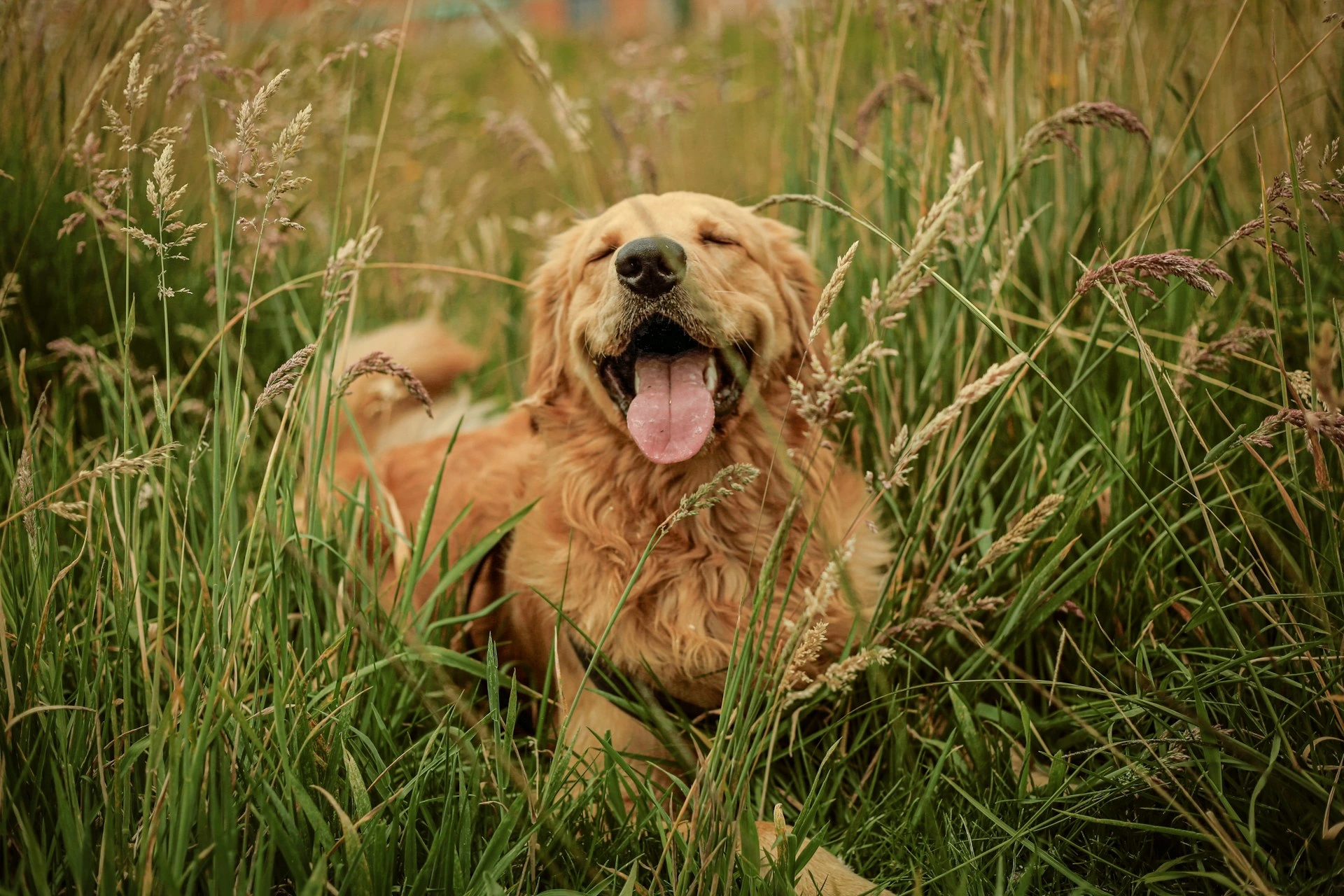
Hot Alabama summers can be dangerous for our four-legged friends. At Fort Payne Animal Hospital, your Rainsville, AL pet clinic, we often see cases of dog heatstroke, especially during peak temperatures. Heatstroke is a serious condition that can lead to organ failure or even death if not recognized and treated promptly. Understanding how to prevent dog overheating involves recognizing early signs of canine heat illness and following summer dog safety measures. This is all essential for every pet owner in Alabama.
Dogs don’t cool off the same way we do, which means they can get overheated much faster. By learning what to watch for and taking a few precautions, you can help your pup stay safe and enjoy all those summer adventures together.
Why Dogs Are at Risk for Heatstroke
Unlike us, dogs can’t sweat through their skin. Instead, they rely on panting and their paw pads to release heat. When it’s hot or humid, these tricks just aren’t enough, and your pup’s temperature can climb dangerously high.
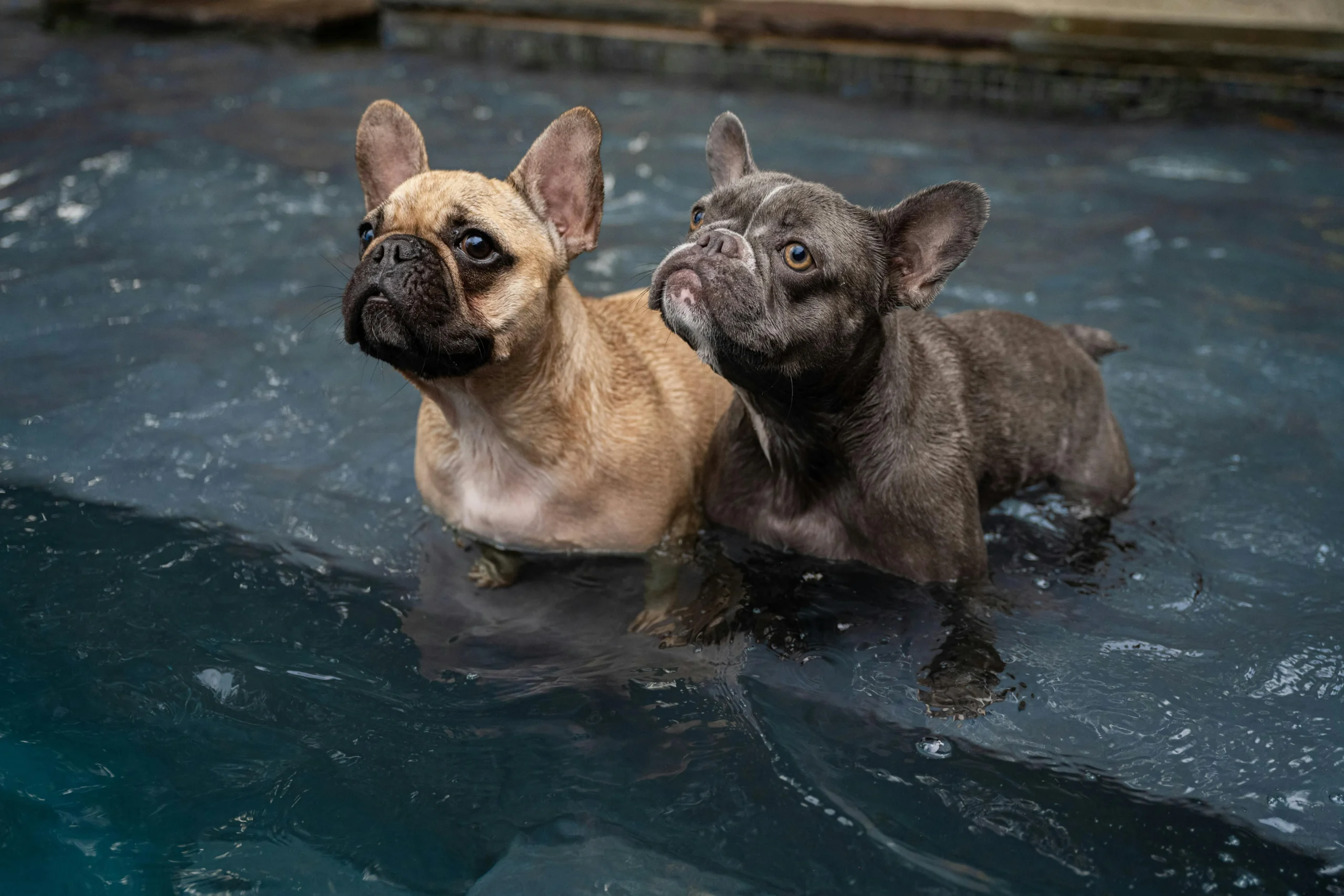
Some dogs are more at risk than others. Flat-faced breeds like Bulldogs and Pugs, older dogs, puppies, and those carrying a few extra pounds need extra care in the heat. Even the most energetic pups can get into trouble if they don’t have shade, water, or a chance to rest.
Signs of Heatstroke in Dogs
Early recognition of heatstroke is critical. Look for these warning signs of canine heat illness:
1. Excessive Panting or Difficulty Breathing
Panting is normal for dogs, but if your pup is breathing really fast or seems to be working hard to catch their breath, it’s a sign they’re having trouble cooling off.
2. Bright Red or Pale Gums
If your dog’s gums look bright red or very pale, that’s a big warning sign. It means their body is struggling with the heat.
3. Drooling or Thick Saliva
Lots of drool or thick, sticky saliva can mean your dog is getting too hot or even dehydrated.
4. Lethargy or Weakness
If your pup seems tired, wobbly, or just doesn’t want to move, take it seriously. Things can go downhill fast if you don’t act quickly.
5. Vomiting or Diarrhea
Upset stomach, such as vomiting or diarrhea, can also occur with heatstroke. This means your dog’s body is really struggling with the heat.
6. Confusion or Uncoordinated Movements
If your dog seems confused, dizzy, or can’t walk straight, the heat is taking a serious toll.
7. Seizures or Loss of Consciousness
In really severe cases, heatstroke can cause seizures, fainting, or worse. Get your dog to the vet right away if you see these signs.
If you spot any of these symptoms, start cooling your dog down and call your vet right away.
How to Prevent Dog Overheating
It’s much easier to prevent heatstroke than to treat it. Here are some simple ways to keep your pup safe this summer:
Keep Dogs Hydrated
Always make sure your dog has lots of fresh, cool water, especially when playing outside. A portable water bowl is handy for walks or trips to the park.
Avoid Peak Heat Hours
Try walking your dog early in the morning or late in the evening, when it’s cooler out. The midday sun can be way too hot for your furry friend.
Provide Shade and Cool Spaces
If your pup is outside, make sure there’s plenty of shade and a cool spot to relax. Hot pavement can burn paws and make your dog even hotter, so keep outdoor time short when it’s sizzling.
Use Cooling Tools
Cooling mats, damp towels, or even a kiddie pool can help your dog chill out safely. Skip the ice baths, though—they can do more harm than good.
Monitor Exercise and Play
Even a short play session in the heat can be too much. Keep an eye out for tiredness, heavy panting, or if your dog just wants to stop.
Never Leave Dogs in Cars
Never leave your dog in the car, even for a minute. Cars heat up fast, and it can be deadly for your pup.
First Aid for Suspected Heatstroke
If your dog shows signs of heatstroke:
- Move your dog to a shaded or air-conditioned area immediately.
- Offer small amounts of cool water, but do not force it.
- Apply cool (not ice-cold) water to the body, especially the belly, neck, and paw pads.
- Use fans or wet towels to help lower body temperature.
- Contact your Rainsville, AL veterinarians for emergency care.
Acting fast can save your dog’s life and help them avoid serious problems.
Who Is Most at Risk?
Certain factors increase the risk of canine heat illness:
- Brachycephalic breeds (short-nosed dogs)
- Puppies and senior dogs
- Overweight or obese dogs
- Dogs with heart, respiratory, or metabolic conditions
- Dogs exercising vigorously in high heat
Knowing these risks means you can take extra steps to keep your furry friend safe and out of harm’s way.
Fun Ways to Keep Dogs Cool in Alabama
Even when it’s hot out, your dog can still have fun and stay safe with the right activities:
- Sprinklers, kiddie pools, or water toys for backyard play
- Short, shaded walks during cooler parts of the day
- Indoor play or training sessions with puzzle toys
- Frozen treats or ice cubes as enrichment
These ideas help your pup stay active and happy, without risking overheating.
The Royal Veterinary College has an article on heatstroke in pets, which you can read here. Read more about summer safety tips for dogs in this article by the Cornell College of Veterinary Medicine.
FAQs About Dog Heatstroke
How quickly can heatstroke develop?
Heatstroke can develop in minutes, especially in hot, humid conditions or during vigorous activity.
Is panting always a sign of overheating?
Panting is normal, but excessive, labored, or unusual panting is a warning sign. Monitor your dog’s behavior carefully.
Can heatstroke cause lasting damage?
Yes. Severe heatstroke can affect organs such as the liver, kidneys, and heart. Prompt veterinary care is critical.
Are short-nosed breeds at higher risk?
Yes. Brachycephalic breeds struggle to regulate body temperature and require extra precautions in hot weather.
What should I do if my dog collapses?
Move your dog to a cool area, apply cool water, and contact your veterinarian immediately. Time is critical.
Visit Our Rainsville, AL Vet Clinic
Heatstroke is a serious but preventable condition. At Fort Payne Animal Hospital, your Rainsville, AL pet clinic, we provide guidance on dog heatstroke, help pet owners prevent dog overheating, and share summer dog safety strategies to keep your canine companion safe in the Alabama heat.
Looking for a great animal clinic? You can search “vet near me” or just come to us for great care and expert advice on protecting your dog during hot weather.
This blog is for informational purposes only. Always consult your veterinarian for accurate medical advice, diagnosis, or treatment plan for your dog, and follow their guidance.
Do you want to learn more about our Fort Payne vet clinic? Go to our main Services page here for an overview of the services we offer. You can also learn more about our Wellness and Vaccinations options here.