Summer in Alabama is a perfect time to enjoy backyard pools, and many dog owners want to include their furry companions in the fun. At Fort Payne Animal Hospital, your Rainsville, AL pet clinic, we often receive questions about dog pool safety. Swimming can be a fun and healthy activity for your canine pal. Still, it’s important to understand the risks and take proper precautions to ensure a safe experience for every dog.
Swimming isn’t just great exercise for your pup—it also helps them cool off and keeps their minds busy during those hot Alabama days. That said, even the best doggy paddlers can run into trouble, like getting tired, swallowing pool water, or getting a little nervous in the deep end. With a few simple safety tips, you can help your four-legged pal enjoy pool time without worry.
Why Pool Safety Matters
Even pups who adore the water can run into trouble. Slippery surfaces, deep spots, or just plain old tiredness can lead to accidents. And if Fido drinks too much pool water, the chlorine and chemicals can upset his furry tummy. Pools are lots of fun, but it’s important to keep an eye on your furry friend and take a few precautions to keep things safe.
Pool safety is just as important for Fido as it is for the kids. A little know-how goes a long way in making sure your canine companion can enjoy swimming without any worries.
Tips for Safe Swimming Dogs
1. Supervise All Swimming Sessions
Never leave your pup alone in or near the pool. Even the best swimmers can get tired or a little nervous. Always keep an eye on your furry pal while they’re in the water, and be ready to lend a hand if they need it. A watchful eye goes a long way toward keeping everyone safe.
2. Introduce Your Dog to Water Gradually
Not all dogs are born swimmers. Let your pooch get used to the water slowly, starting in the shallow end. A doggy ramp or steps can make getting in and out much easier. Use treats, gentle words, and lots of praise to help your pup feel comfortable. Taking it slow helps build confidence and makes pool time fun for everyone.
3. Use a Canine Life Vest
Life jackets are a great idea for puppies, senior dogs, short-legged breeds, or any pup who tires easily. A snug-fitting vest helps keep your dog’s head above water and gives them a little extra confidence. Plus, most have handles so you can easily help Fido out if he needs a lift.
4. Teach an Exit Strategy
Teach your pup how to get out of the pool safely. Show them where the steps or ramp are, and practice a few times together. If Fido knows how to find his way out, he’s less likely to get scared or worn out. You can even mark the exit with a mat or something easy to spot.
5. Rinse and Dry After Swimming
Pool water can be tough on your dog’s skin and eyes. After a swim, give your pup a good rinse with fresh water and dry them off, especially their ears and paws. This helps prevent itchy skin and ear infections, and keeps your furry friend comfy.
6. Limit Swimming Time
Even the most energetic pups can get tuckered out fast. Keep swim sessions short and give your dog plenty of breaks. Watch for signs that your pooch is getting tired, like heavy panting or slowing down in the water.
7. Keep the Pool Area Secure
Make sure your pool area is secure with a fence, gate, or cover. Curious puppies, little dogs, or nervous swimmers might wander too close and get into trouble. A safe pool setup helps keep everyone out of harm’s way.
8. Monitor Pool Water Conditions
Keep an eye on your pool’s water quality. Make sure the chemicals are balanced, scoop out any debris, and keep the water fresh. Hot or dirty water can make your dog sick, so regular pool care is a must for safe swimming.
9. Consider Your Dog’s Physical Limitations
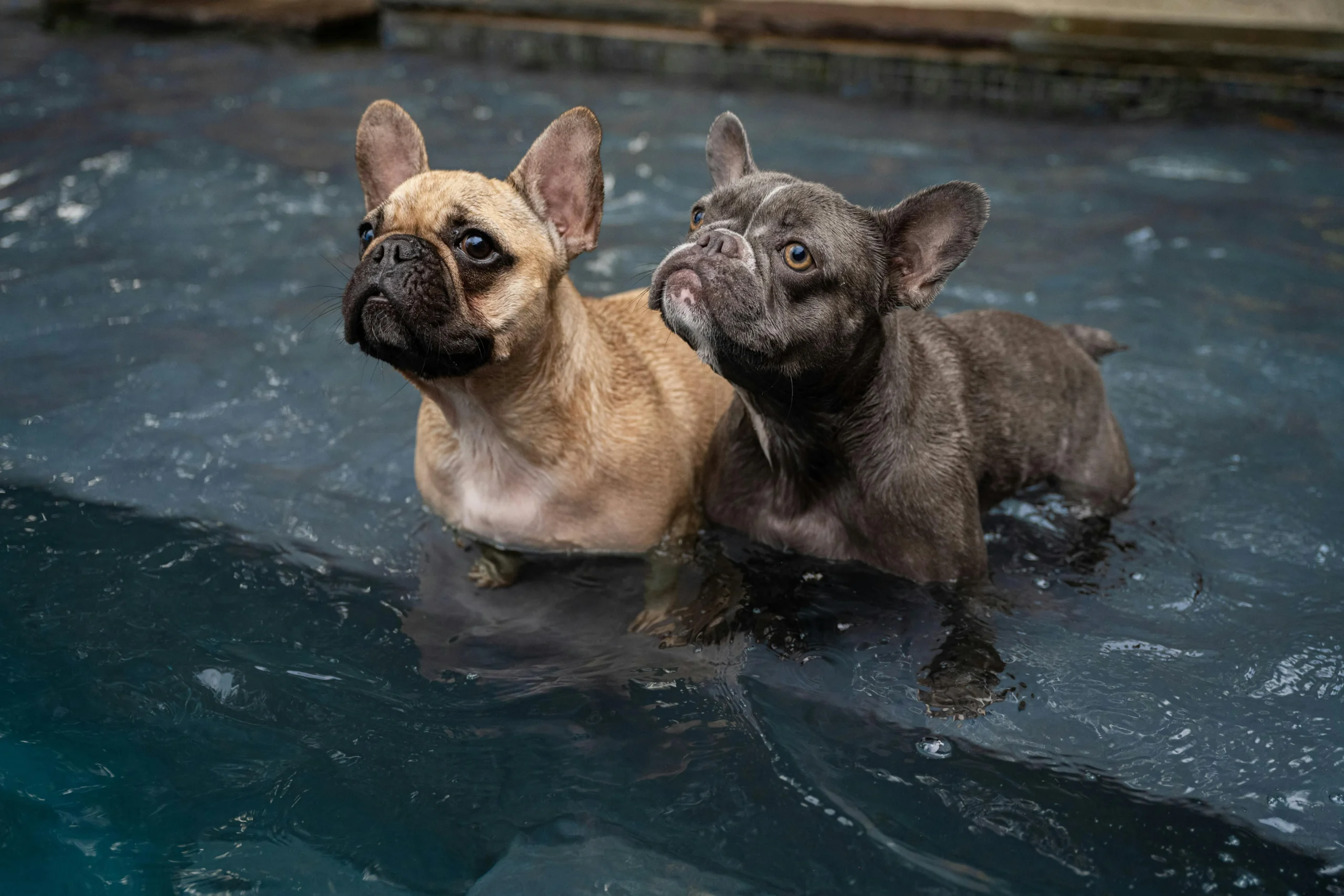
Every dog is different. Some breeds, like short-legged pups or those with flat faces, can get tired quickly. Older dogs might have achy joints. Adjust swim time, give plenty of breaks, and try shallow water if your pooch needs it.
Common Risks Around Pools
- Drowning from fatigue or panic
- Ingesting pool water, leading to vomiting or stomach upset
- Slips, cuts, or scrapes on wet surfaces
- Overheating or sunburn, especially in hot Alabama summers
- Ear infections from prolonged moisture exposure
Knowing what to watch for—and taking a few simple steps—can help you keep pool time safe and fun for your furry friend.
When to Seek Veterinary Help
Even with precautions, accidents can happen. Contact your Rainsville, AL veterinarians immediately if your dog:
- Swallows excessive pool water and vomits
- Shows signs of respiratory distress after swimming
- Has injuries from slips or rough surfaces
- Appears disoriented, weak, or exhausted
Quick action from your vet can help your pup bounce back and avoid bigger problems.
Alternatives for Dogs Who Don’t Swim
Not every dog is a fan of swimming, and that’s okay! If your pup prefers to stay dry, try these fun alternatives:
- Playing with sprinklers or shallow wading pools
- Splashing water with toys in a safe area
- Interactive water games that provide cooling without full immersion
These activities let your dog have fun and stay cool, without the risks of swimming.
Chewy wrote about keeping Fido safe at the pool: click here for that piece. Nevada’s SPCA also covered the topic here.
FAQs About Dog Pool Safety
Can all dogs swim safely?
Most pups can swim, but every dog is different. Always keep an eye on your furry pal and see how comfortable they are in the water.
Should I use a life vest for all dogs?
While not mandatory, life vests provide extra safety for inexperienced, elderly, or small dogs.
How long can my dog swim safely?
Most dogs do well with 10 to 20 minutes of swimming at a time, with plenty of breaks. Just keep an eye out for signs your pup is getting tired.
Can swimming help with weight management?
Yes! Swimming is a gentle way for overweight or older dogs to get some exercise. Just be sure to watch your dog’s energy and keep things safe.
Is it safe for dogs to drink pool water?
Nope. Pool water can upset your dog’s stomach. Always have fresh water available, and try to keep Fido from drinking from the pool.
Visit Our Rainsville, AL Vet Clinic
Swimming can be a fun and healthy activity for your dog when done safely. At Fort Payne Animal Hospital, we provide guidance on dog pool safety in Rainsville, teach safe swimming strategies for dogs, and share tips to prevent dog drowning. Visit our Rainsville, AL vet clinic to schedule an appointment.
You can search for “vet near me” to find a great animal clinic where your canine companion will get excellent care … or just call us!
This blog is for informational purposes only. Always consult with your veterinarian for accurate advice on swimming, safety, or any health concerns for your dog, and follow their guidance.
Do you want to learn more about our Fort Payne vet clinic? Go to our main Services page here for an overview of the services we offer. You can also learn more about our Wellness and Vaccinations options here.