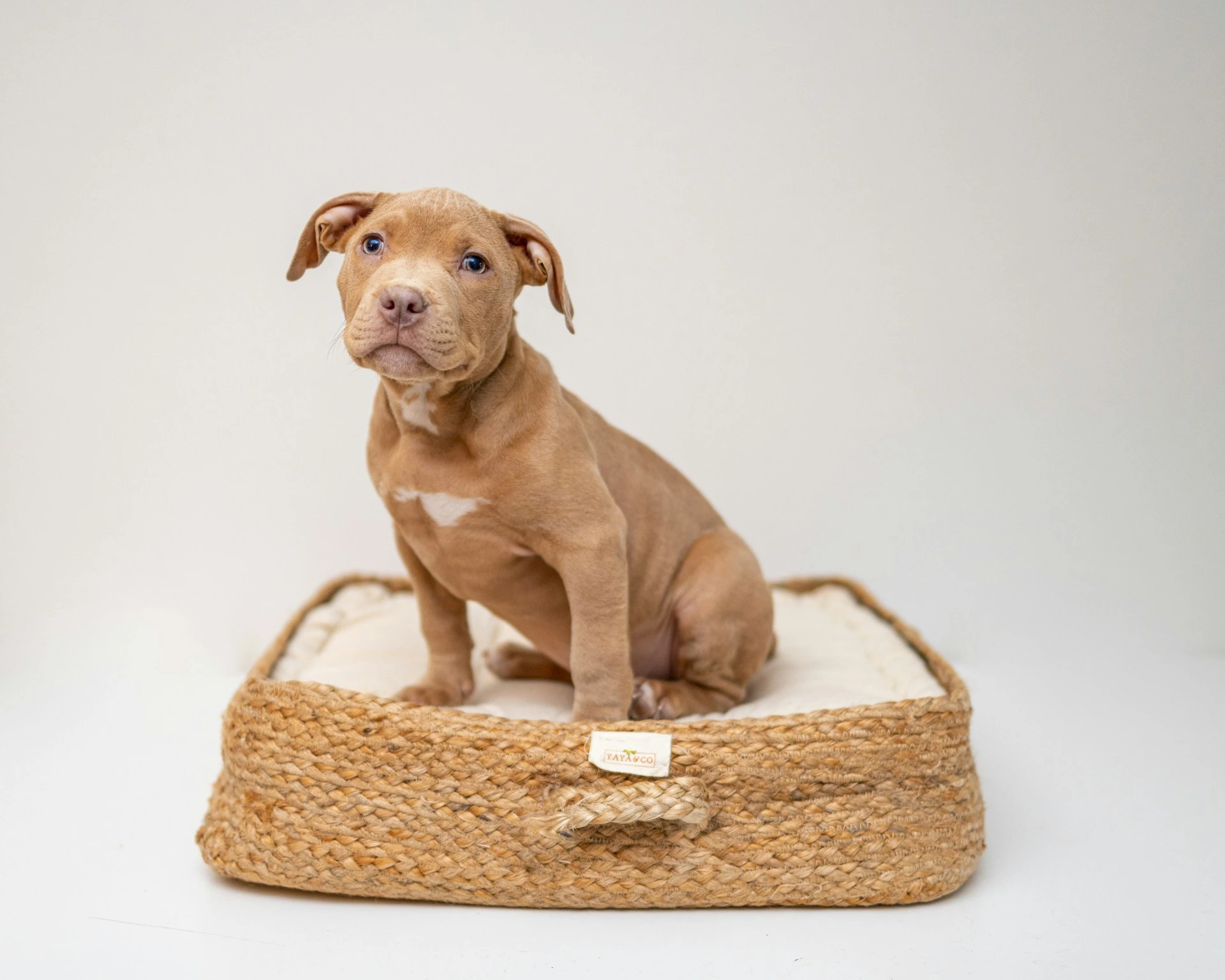
Bringing a new dog into your home is an exciting adventure, but it also comes with responsibility. At Fort Payne Animal Hospital, we are happy to guide new pet owners through the crucial first steps after adoption. Following proper vet tips for dog adoption in Alabama ensures your furry friend has a healthy, happy start in their new home.
Whether you adopted from a shelter, a rescue, or a breeder, the first veterinary visit lays the foundation for long-term health. Using practical vet tips for adopted dogs and new dog care strategies can help your canine pal adjust smoothly and thrive in their new environment.
Schedule a Prompt First Vet Visit
One of the first things you’ll want to do after bringing Fido home is schedule a veterinary appointment. Even if your new buddy seems healthy, a full checkup is a must. Your vet will look Fido over from nose to tail, check his vaccines, screen for parasites, and chat with you about his diet. This helps catch any issues early, so your furry pal gets the best possible start.
Be sure to bring any medical records you obtained from the shelter or the previous owner. These help your vet see which vaccines Fido has received and whether he’s had any illnesses or medications. That way, your vet can put together the best care plan for your new furry friend.
Update Vaccinations and Preventive Care
During the first visit, your vet may recommend updating vaccinations. Core vaccines protect against serious illnesses such as rabies, distemper, and parvovirus, while non-core vaccines may be recommended based on lifestyle and regional risks. In Northeast Alabama, certain preventable diseases may be more common, so using dog adoption vet tips in Alabama ensures your pup receives appropriate protection.
Don’t forget about parasite control! Fleas, ticks, and worms are all too common, especially for adopted dogs. Your vet can recommend the best preventatives for Fido’s age, breed, and lifestyle, so he stays happy and itch-free.
Conduct a Comprehensive Health Assessment
Your vet will also perform a nose-to-tail exam to detect any hidden health issues. They’ll check Fido’s teeth, gums, ears, eyes, skin, coat, and weight. It’s also a good time to talk about behavior, since some pups are a little stressed or anxious after being in a shelter. Your vet can offer new dog care strategies and tips on diet, exercise, and keeping your new buddy happy and active.
Establish a Routine for Your New Dog
Consistency is key when helping your new dog settle in. Try to stick to a regular schedule for meals, potty breaks, walks, and playtime. Routines help Fido feel safe and can prevent accidents or confusion. Plus, following some simple vet tips during this time will help you and your furry pal bond.
Introduce Your Dog to Family Members Gradually
If you have other pets or kids at home, take introductions slow and steady. Supervise those first meetings, and let Fido have some space to sniff around and get comfortable. Watching your dog’s body language and respecting his comfort zone can help prevent stress or behavior problems. Your vet can also share tips for safe introductions and positive reinforcement.
Nutrition and Feeding Guidance
Good nutrition is super important, especially as Fido settles in. Your vet can suggest the best food for his age, size, and breed. If you’re switching foods, do it slowly to avoid tummy troubles. Following your vet’s advice will help your furry buddy stay healthy and full of energy.
Monitor Behavior and Health Closely
It’s normal for adopted dogs to feel a little nervous or act out as they get used to their new home. Keep an eye out for signs of stress, such as hiding, excessive barking, or changes in appetite. If you notice anything unusual, ask your vet for advice. Regular checkups and open communication will help keep Fido happy and healthy.
Training and Socialization
Start training and socializing your new pup as soon as you can. Use positive reinforcement, patience, and consistency to help Fido learn the ropes. Meeting new people, pets, and places will boost his confidence and help him feel at home. Following your vet’s advice during training will set your furry friend up for a lifetime of good habits.
Grooming and Maintenance
Don’t forget about grooming! Brushing Fido’s coat, trimming his nails, and cleaning his ears all help keep him comfy and healthy. Your vet can recommend how often to groom and the best techniques for your dog’s breed. With the right tips, grooming can be a great way to bond with your new buddy.
Help Guide also has an article on adopting a dog for first-timers. Click here to read it. PetMD has a piece on helping an adopted dog settle in. You can read that here.
FAQs About Adopting a Dog
How soon should I take my adopted dog to the vet?
Ideally, within the first week of adoption, even if the dog appears healthy.
What vaccinations does my new dog need?
Core vaccines include rabies, distemper, and parvovirus. Non-core vaccines may be recommended based on lifestyle and location.
How do I handle a shy or anxious adopted dog?
Gradual introductions, consistent routines, positive reinforcement, and guidance from your vet help build confidence and reduce anxiety.
Can I feed my adopted dog the same diet immediately?
It’s best to transition slowly to new food to avoid digestive upset. Your vet can recommend the optimal diet.
Fun Tips for Bonding With Your New Dog
- Create a quiet, comfortable space for your dog to rest and feel safe.
- Use puzzle toys and enrichment activities to mentally engage your dog.
- Schedule short play sessions throughout the day to build trust and confidence.
- Reward calm behavior with treats and praise to reinforce positive habits.
These simple steps will help your new furry friend feel safe and loved, and set the stage for a happy, lifelong friendship.
Visit Our Fort Payne Vet Clinic
Welcoming a new dog into your home is exciting, but proper veterinary guidance is essential for a healthy start. At Fort Payne Animal Hospital, we provide expert dog adoption vet tips, guidance on new dog care, and practical advice for adopted dogs. Visit us to schedule your dog’s first checkup, discuss vaccinations, or receive guidance on behavioral and nutritional care. You can also search “vet near me” to make an appointment quickly.
This blog is meant for informational purposes only. Always consult with your veterinarian for the right medical advice, diagnosis, or treatment plan for your pet and follow their guidance.
Do you want to learn more about our Fort Payne vet clinic? Go to our main Services page here for an overview of the services we offer. You can also learn more about our Wellness and Vaccinations options here.