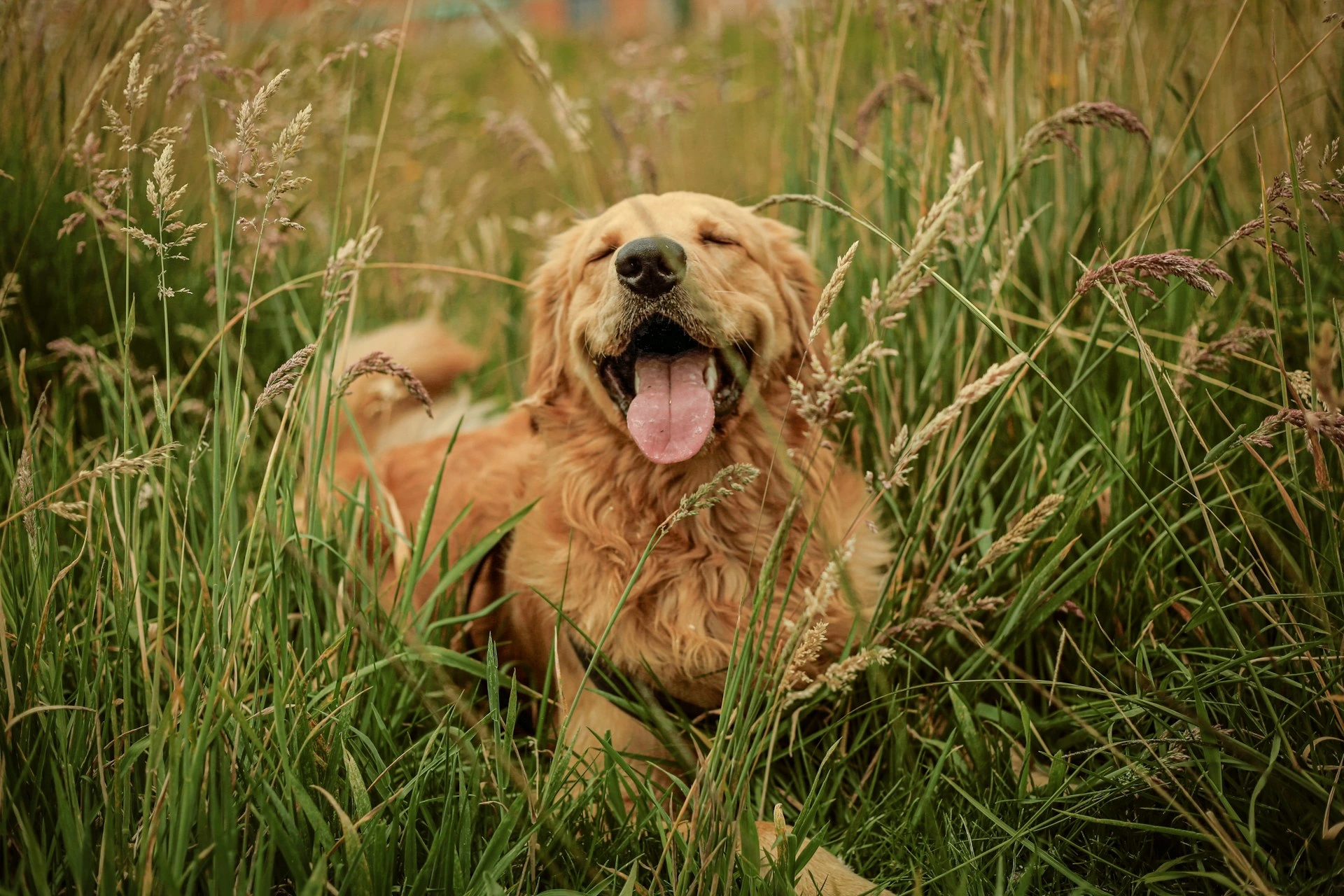
Have you ever come home to find your canine buddy absolutely covered in mud, tail wagging, and grinning like the happiest pup in the world? At Fort Payne Animal Hospital, we often see dogs who just can’t resist the call of a muddy puddle. Dogs playing in mud isn’t just about being messy—it’s instinct, exploration, and pure joy. While it can create a bit of a mess, understanding why your furry pal loves mud and how to manage it safely can make muddy adventures fun for both of you.
Mud play isn’t just about chaos and soggy paws. For dogs, it’s a natural way to burn off energy, keep their minds sharp, and satisfy their senses. With a few simple pet hygiene tips, you can let your pup enjoy their muddy adventures while keeping both your home and your furry pal clean and healthy.
Why Dogs Are Drawn to Mud
Dogs are natural explorers, and mud is just too tempting for many pups to pass up. The squishy feel, cool temperature, and all those interesting smells make mud a sensory playground. When your canine buddy rolls, splashes, or digs in the mud, they’re just following their instincts, which is something their wild ancestors did, too.
Some breeds—like retrievers, hounds, and spaniels—are especially fond of outdoor fun, whether it’s water, dirt, or mud. Rolling in mud may even help mask their scent, a trick passed down from their wild ancestors. Even our couch-loving pups still have that playful, adventurous streak!
For many pups, mud is nature’s air conditioning! That cool, damp earth feels great on hot paws and fur. Plus, all that digging and rolling is a great way for your dog to burn off energy, stretch their muscles, and keep their mind busy.
The Sensory Joy of Mud
Mud play engages multiple senses at once. That’s great stimulation for Fido!
- Touch: The squishy, sticky texture stimulates their paws and body.
- Smell: Mud carries scents from the surrounding environment, helping your pooch explore nature through their incredible sense of smell.
- Sight: Splashing, sliding, and digging provide visual and spatial engagement.
All those sights, smells, and squishy sensations help keep your dog happy, relaxed, and entertained—just the way nature intended.
Social Mud Play
Mud isn’t just a solo sport! When dogs play together, they splash, chase, and wrestle, turning a muddy patch into a canine playground. Group mud play helps pups learn boundaries, burn off energy, and make new friends. Just be sure to supervise, so everyone stays safe and happy.
Choosing Safe Mud Play Areas
Muddy playtime can be a blast, but safety comes first. Not every puddle is pup-approved, so keep these tips in mind:
- Avoid contaminated areas: Steer clear of puddles near roads, areas treated with pesticides or fertilizers, or stagnant water that may harbor bacteria.
- Check for hidden hazards: Look for sharp sticks, broken glass, or debris that could injure paws.
- Supervise at all times: Puppies and older dogs are especially prone to slips or ingesting unsafe substances.
Picking the right mud spots means your dog can have fun without any unwanted surprises.
Preparing for Cleanup
Let’s be honest—cleaning up after a muddy play session can be a challenge! Having a cleanup routine makes things easier for both you and your furry friend:
- Outdoor rinse station: A hose, shallow tub, or portable dog shower can make post-play cleaning easy.
- Towel and brush: Keep a towel and a soft brush nearby to remove excess mud before entering the house.
- Dog-safe shampoo: Mild, pet-friendly shampoos clean fur without irritating skin.
- Regular paw checks: Inspect pads for cuts, debris, or irritation.
A regular cleanup routine helps your pup see that muddy fun always ends on a happy, stress-free note.
Mud and Health Considerations
Mud play is usually safe, but it’s still a good idea to keep an eye out for any health issues. Too much time in damp dirt can sometimes lead to:
- Skin irritation or dermatitis
- Ear infections occur if water enters the ears
- Parasites like ticks or fleas
It’s worth noting that you may want to get your dog vaccinated for Lepto, which is spread through moist areas. Ask your vet for more information.
We also recommend scheduling routine wellness checks, especially for dogs who love messy outdoor adventures, to ensure that mud fun doesn’t lead to unintended health problems.
Creative Mud Play Ideas
Mud doesn’t have to be random splashing—turn it into structured fun dog activities:
- Mud obstacle course: Combine puddles with low jumps, tunnels, and agility cones.
- Treasure hunt: Hide toys or treats in shallow mud for digging and foraging fun.
- Mud painting: Let your dog create “mud prints” on a washable surface, combining play with a creative bonding activity.
These activities help your pup burn energy, use their brain, and put all that muddy excitement to good use—while keeping things safe.
Training and Boundaries
Even while encouraging dog muddy play, it’s important to set limits. Teach cues like “come,” “stop,” or “leave it” to control where and when mud play happens. Positive reinforcement ensures your dog understands boundaries while still enjoying the activity. This approach maintains a balance between fun and safety.
Wag dove into Fido’s love of mud puddle diving in this blog. Pet Rescue also dug into the topic here.
FAQs About Mud-Loving Dogs
Is mud play bad for my dog’s coat?
No, occasional mud play is fine. Just don’t let it sit. Giving your pet an immediate rinse and mild shampooing prevents matting or skin irritation.
Can puppies play in mud?
Yes, but supervise closely. Puppies are curious and may try to ingest mud or foreign objects.
How often can my dog play in mud?
As long as the area is safe and health precautions are taken, mud play can be enjoyed multiple times per week.
Are all dogs naturally drawn to mud?
Many dogs enjoy it, but breed, personality, and individual preferences vary. Some dogs may prefer water or grass instead.
Can mud help with stress or boredom?
Yes, it provides both mental stimulation and physical exercise, which are important for overall well-being.
Fun Facts About Mud Play
- Rolling in mud can cool dogs on hot days.
- Some dogs are genetically predisposed to enjoy digging and messy play.
- Mud play can actually strengthen the bond between a dog and its owner when shared safely.
Visit Our Fort Payne Vet Clinic
Watching your canine companion dive into muddy puddles is a joyful sight, but safety and health are essential. At Fort Payne Animal Hospital, we provide guidance on dog play in mud, safe, engaging, and hygienic dog activities, and fun dog activities. If you’re in the area, you can try searching for a “vet near me” or just call us to schedule an appointment quickly!
This blog is meant for informational purposes only. Always consult with your veterinarian for the right medical advice, diagnosis, or treatment plan for your pet and follow their guidance.
Do you want to learn more about our Fort Payne vet clinic? Go to our main Services page here for an overview of the services we offer. You can also learn more about our Wellness and Vaccinations options here.